How Each Type Is Made
Tempered glass is a single pane that has been heated to over 1,100 degrees Fahrenheit and then rapidly cooled. The process puts the surfaces into compression, making the glass roughly four times stronger than standard annealed glass. Laminated glass is a sandwich: two or more glass layers bonded to a tough plastic interlayer, usually polyvinyl butyral, under heat and pressure. The interlayer is what makes it behave differently when it breaks.
How They Break (The Part That Matters)
Tempered glass shatters completely into small, relatively blunt cubes. That is why a car side window explodes into pebbles instead of daggers. It is safer in a breakage event, but it leaves the opening completely unprotected. Laminated glass cracks but stays in place, held together by the interlayer. A baseball through a laminated pane makes a hole and a spiderweb, not an open window. That is why laminated glass is the standard for windshields and is increasingly used for security, hurricane, and sound-control applications.
Where Each Type Is Required or Preferred
- Windshields: laminated, required by federal motor vehicle safety standards.
- Car side and rear windows: traditionally tempered, though many newer vehicles use laminated side glass for security and noise reduction.
- Shower doors and enclosures: tempered, required by building code for glass in wet locations. See our frameless shower guide.
- Glass near doors and floors: tempered, required in most residential hazardous locations.
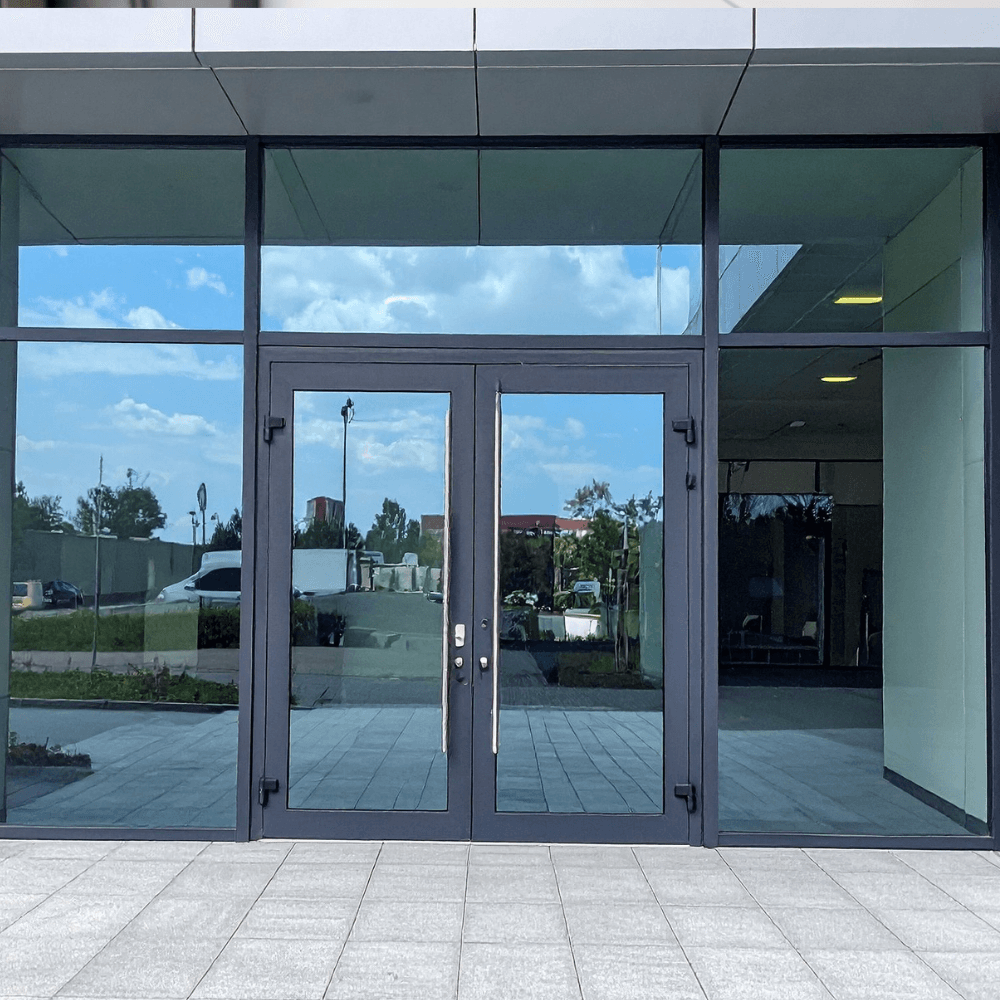
- Storefronts and glass doors: tempered for code compliance; laminated where security matters. Retailers often upgrade to laminated to slow smash-and-grab attempts.
- Glass tabletops and shelves: tempered, so an accident produces pebbles instead of shards.
- Skylights and overhead glazing: laminated, so broken glass cannot fall.
How to Tell What You Have
Look for a small etched stamp, called a bug, in a corner of the pane. It typically says tempered or laminated along with the safety standard it meets (CPSC 16 CFR 1201 or ANSI Z97.1 for buildings, FMVSS 205 for vehicles). No stamp on household glass that should have one is worth asking a glazier about.
Strength, Cost, and Cutting
Two practical notes. First, tempered glass cannot be cut, drilled, or edged after tempering; it is fabricated to final size first, then heat-treated. Any modification means ordering a new piece. Second, laminated glass generally costs more than tempered in the same size, and tempered costs more than plain annealed. When you request a quote, the glass type is one of the first things a shop will confirm, and it is a major line item in guides like our storefront glass cost guide.
Tempered vs. Laminated FAQ
How can I tell if my glass is tempered or laminated?
Look for a small etched stamp, often called a bug, in a corner of the pane. It usually says tempered or laminated along with the standard it meets. If the glass is broken, tempered glass shatters into small pebble-like pieces while laminated glass cracks but stays held together by its plastic interlayer.
Is tempered or laminated glass stronger?
They are strong in different ways. Tempered glass resists impact and heat better before breaking. Laminated glass is easier to penetrate initially but holds together after breaking, which is why it is used for windshields, security glazing, and overhead or hurricane applications.
Which glass is used in car windows?
Windshields are laminated by federal standard. Side and rear windows have traditionally been tempered, though many newer vehicles now use laminated side glass for security, sound reduction, and ejection prevention.
This article is coming soon. Check back later for comprehensive information about tempered vs. laminated glass: key differences, safety ratings, and where each is used.
In the meantime, if you have questions about glass services, feel free to contact us directly or request a quote from our network of professional installers.