

Quick answer before you call shops
Typical range
$500 - $2,500
Average
$1,200
Best next step
Compare local estimates
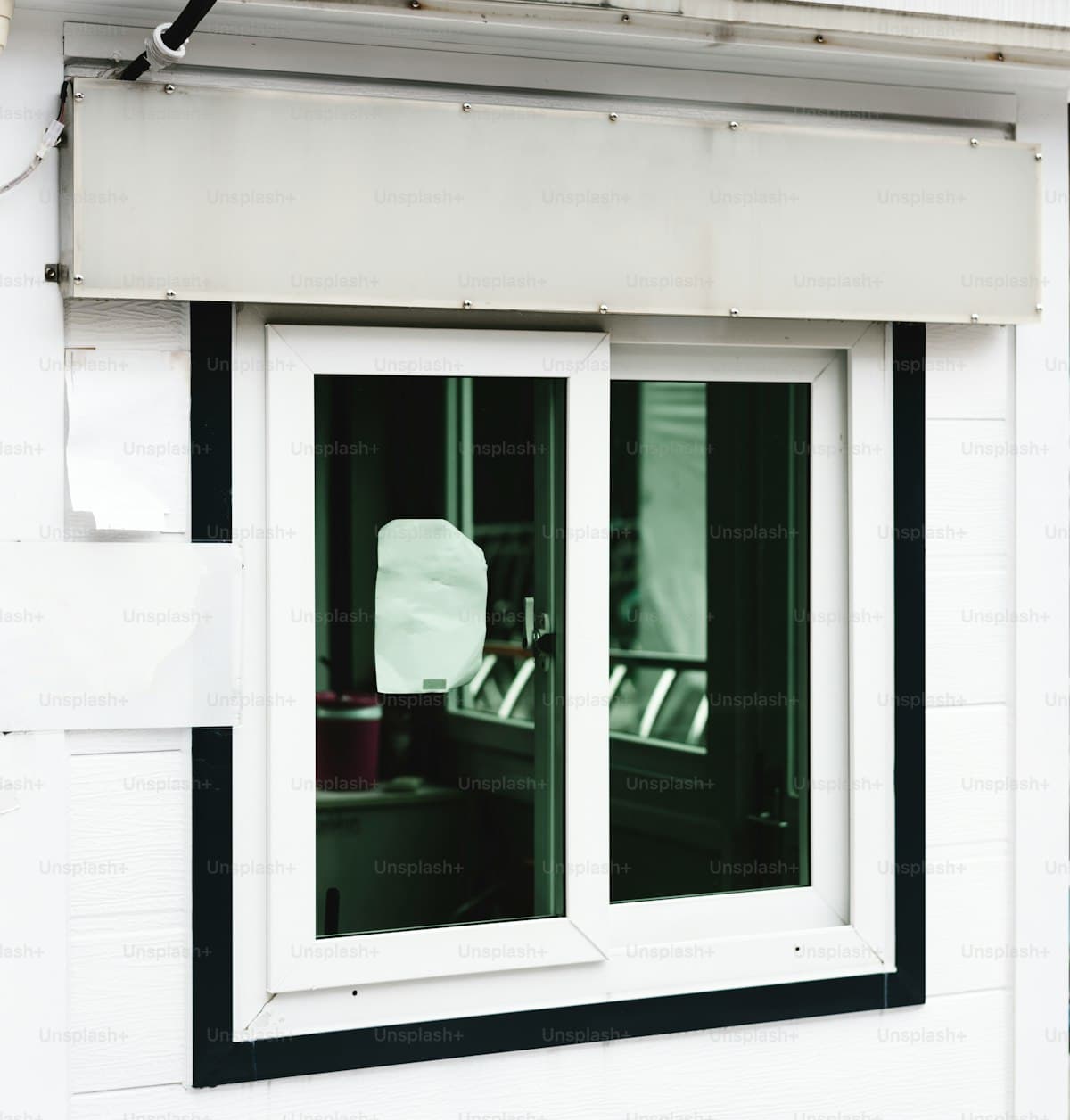
Commercial storefront glass is a major investment for any business, serving as both a functional building element and a primary visual touchpoint for customers. Whether you need to replace a broken panel, upgrade to energy-efficient glass, or install a new storefront system, costs range widely from $500 to $2,500 per panel, with the national average at approximately $1,200. Larger projects like full glass curtain walls or commercial door systems can reach $17,000 or more.
Storefront glass must meet stringent commercial building codes that dictate the use of safety glass (tempered or laminated) in nearly all applications. Tempered glass, which is 4-5 times stronger than regular annealed glass and shatters into small granules rather than dangerous shards, is the baseline requirement. Laminated glass — two sheets of glass bonded with a plastic interlayer — goes further by holding together even when broken, providing additional security against break-ins, impact events, and even gunfire in high-security applications. Insulated glass units combine energy efficiency with safety and are increasingly required by commercial energy codes.
The urgency of the work significantly impacts cost. A scheduled replacement during business hours is the most affordable option, while emergency service after a break-in, storm damage, or accident can double the labor cost due to after-hours rates and emergency boarding fees. Many commercial glass companies offer 24/7 emergency service with temporary boarding to secure your property immediately, followed by permanent glass replacement once the correct panel is fabricated.
Save Money with Glass & Auto
Eligible partner quotes may come in up to 5% lower, with potential savings from $0 to $90 on many jobs.*
*Savings depend on service type, location, and provider availability. Pricing is independently set by each provider; Glass & Auto does not set or guarantee final pricing or savings.
Verified provider specials
Check active deals from verified Glass & Auto providers.
Compare current provider offers, verified profiles, service categories, and local quote paths before booking.
Cost Breakdown
Cost by Glass Type (Per Panel, Installed)
| Glass Type | Low Cost | High Cost | Notes |
|---|---|---|---|
| Standard Tempered (1/4") | $400 | $1,500 | Most common; meets basic safety code requirements |
| Tempered with Low-E Coating | $600 | $2,000 | Energy-efficient; reduces HVAC costs |
| Laminated Safety Glass | $800 | $2,500 | Holds together when broken; superior security |
| Insulated Glass Unit (IGU) | $1,000 | $3,000 | Double-pane with air/gas gap; best energy performance |
| Bullet-Resistant Glass | $3,000 | $10,000+ | Multi-layer laminated; banks, jewelry stores |
Cost by Project Type
| Project | Low Cost | High Cost | Notes |
|---|---|---|---|
| Single storefront panel (e.g., 6'x8') | $500 | $2,000 | Standard replacement; most common job |
| Commercial glass door (pair) | $6,300 | $17,000 | Includes door hardware, closers, and installation |
| Glass curtain wall system | $25/sqft | $75/sqft | Large-scale facade; structural system |
| Window wall system | $20/sqft | $50/sqft | Non-structural; floor-to-floor glazing |
| Emergency board-up + replacement | $650 | $2,500+ | Includes temporary boarding and permanent glass |
Emergency and After-Hours Service
| Service | Low Cost | High Cost | Notes |
|---|---|---|---|
| Emergency board-up (temporary plywood) | $150 | $300 | Secures opening until glass arrives |
| After-hours service call | $200 | $500 | Evenings, weekends, holidays |
| Same-day expedited replacement | +30% | +50% | Premium over standard scheduling |
Factors That Affect Cost
Glass Type & Safety Rating
Commercial building codes require tempered or laminated glass in most storefront applications. Standard tempered glass is the baseline, while laminated glass provides break-in resistance and is required in hurricane zones. Insulated units add energy performance but cost 40-60% more than single-lite tempered.
Panel Size & Thickness
Storefront glass panels are significantly larger than residential windows, often measuring 5-8 feet wide and 8-10 feet tall. Larger panels require thicker glass for structural integrity — 3/8" or 1/2" is common for large commercial applications. Oversized panels may require special equipment for transportation and installation.
Building Code Requirements
Commercial glass installations must comply with local building codes, International Building Code (IBC), and energy codes like ASHRAE 90.1 or IECC. These codes dictate minimum safety glass requirements, energy performance ratings (U-factor and SHGC), and impact resistance in wind-borne debris zones (hurricane and tornado regions).
Accessibility & Building Height
Ground-level storefronts are the most straightforward to service. Glass at height — second story and above — requires scaffolding, lifts, or crane access, adding $500 to $2,000+ to the installation cost. Interior access limitations (narrow hallways, operating businesses) also affect scheduling and labor.
Emergency vs Scheduled Service
Emergency glass replacement after a break-in, storm, or vandalism costs 50-100% more than a scheduled replacement. After-hours service calls, temporary boarding, and expedited glass fabrication all carry premium charges. Having a relationship with a commercial glass company before an emergency can reduce response time and costs.
Frame System Compatibility
The existing storefront framing system (typically aluminum) must accept the replacement glass panel. If the frame is damaged or the system is outdated and replacement glass is not available in the original size, frame modification or replacement adds significant cost. Common commercial frame systems include Kawneer, YKK AP, and Oldcastle.
Energy Efficiency Requirements
Modern commercial energy codes increasingly require high-performance glazing with Low-E coatings, insulated glass units, and specific Solar Heat Gain Coefficient (SHGC) ratings. While these upgraded glass options cost 30-60% more than standard tempered glass, they reduce HVAC costs by 20-30% and may qualify for utility rebates and tax incentives.
Permits & Inspections
Large commercial glass installations often require building permits and inspections, adding $100 to $500+ to the project cost and 1-3 weeks to the timeline. Permit requirements vary by jurisdiction but are typically required for full storefront replacements, new installations, and any structural glazing work.
Labor Cost Breakdown
DIY vs. Professional
DIYDo It Yourself
- Not recommended for any commercial glass application
- Commercial glass panels are extremely heavy (a 6'x8' tempered panel weighs 200+ lbs)
- Building code compliance requires documented professional installation
- Insurance claims and liability issues require licensed glazier documentation
- The only DIY element might be temporary boarding with plywood until a professional arrives
PROHire a Professional
- Licensed commercial glaziers understand building codes, safety requirements, and frame system compatibility
- Professional installation is required for insurance claims and liability coverage
- Proper handling equipment (suction cups, cranes, lifts) for heavy commercial panels
- Warranty on installation and weatherproofing
- Emergency 24/7 service to secure your business quickly after a break-in or storm
- Knowledge of ADA requirements for commercial door glass
Tips to Save Money
- 1
Get a commercial glass maintenance contract. Many glass companies offer annual inspection and maintenance packages that catch small issues before they become expensive replacements.
- 2
Consider security film as an alternative to laminated glass. Applied to existing tempered glass, security film ($5-$15/sqft) provides hold-together protection at a fraction of the cost of full laminated glass replacement.
- 3
Schedule replacements during business hours. After-hours and emergency service carries a 50-100% premium. If a broken panel can be safely boarded up temporarily, scheduling the replacement for regular hours saves significantly.
- 4
Bundle multiple panels into one project. The mobilization cost (bringing crew, equipment, and materials to your site) is a significant fixed expense that is spread across more panels when doing multiple replacements at once.
- 5
Check your commercial property insurance. Most policies cover glass breakage, often with a deductible of $500-$1,000. For expensive glass (laminated, insulated, or oversized panels), filing a claim can save thousands.
- 6
Explore energy rebates. Many utility companies offer commercial rebates for upgrading to energy-efficient glazing. These rebates can offset 10-20% of the material cost for insulated or Low-E glass upgrades.
Frequently Asked Questions
Why Use Glass & Auto?
No Per-Lead Fees
We don't charge providers per lead, so they can offer you better pricing.
1-Hour Response Guarantee
Get matched and receive a response within 1 business hour.
Verified Professionals
Every provider is licensed, insured, and vetted by our team.
Free, No-Obligation Quotes
Compare quotes from multiple providers with zero commitment.
Need a Commercial Glass Estimate?
Get a business-glass request built for storefront panels, doors, board-up needs, and commercial service areas.
- Commercial-only routing for storefront and business glass
- Rush or standard request timing
- Estimate ranges are not final pricing
- Verified commercial providers where available




Verified partner markets
Request this service from a registered Glass & Auto provider
Enter your ZIP in the quote form for automatic matching, or open a verified profile below to send the request directly.
Compare Local Options in Top Markets
Explore city pages and ranked provider directories before booking.