

Quick answer before you call shops
Typical range
$80 - $1,000
Average
$250
Best next step
Compare local estimates
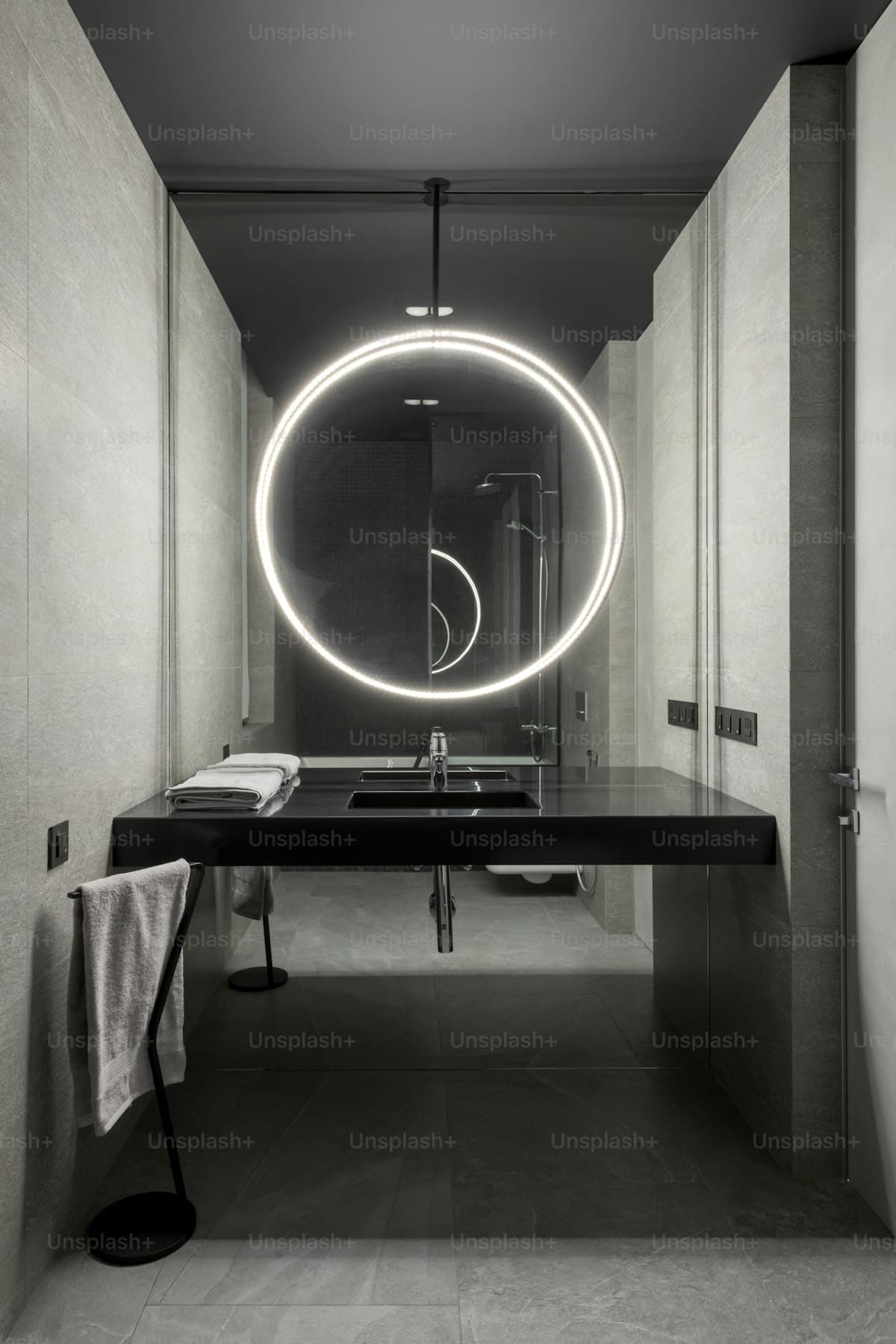
Custom mirrors are a versatile and impactful addition to any home, from functional bathroom vanity mirrors to dramatic oversized wall mirrors that make rooms appear larger and brighter. The average cost for a custom mirror installation is approximately $250, though prices range from as low as $80 for a simple bathroom mirror to $3,000 or more for large, custom-shaped, or specialty mirrors with decorative edges and custom framing.
The cost of a mirror project is driven primarily by the mirror's size, the complexity of its shape, the edge treatment (seamed, flat polished, beveled, or ogee), the mounting method, and whether the installation is a straightforward wall-mount or requires working around plumbing, electrical, or other obstacles. Standard rectangular bathroom mirrors in common sizes are readily available and inexpensive, while custom-cut mirrors in non-standard dimensions or shapes (arches, circles, hexagons) require precision fabrication that adds to both material and labor costs.
Installation complexity varies significantly. Mounting a lightweight vanity mirror on drywall with adhesive and J-channel is a quick, affordable job. Installing a heavy oversized mirror (100+ lbs) on a wall requires structural anchoring, multiple installers for safe handling, and careful consideration of the wall's load-bearing capacity. For large gym mirrors, dance studio walls, or full-wall mirror installations, the project scale and safety requirements push costs to the higher end of the range.
Save Money with Glass & Auto
Eligible partner quotes may come in up to 5% lower, with potential savings from $0 to $90 on many jobs.*
*Savings depend on service type, location, and provider availability. Pricing is independently set by each provider; Glass & Auto does not set or guarantee final pricing or savings.
Verified provider specials
Check active deals from verified Glass & Auto providers.
Compare current provider offers, verified profiles, service categories, and local quote paths before booking.
Cost Breakdown
Cost by Mirror Type
| Mirror Type | Low Cost | High Cost | Notes |
|---|---|---|---|
| Standard Bathroom Vanity Mirror | $80 | $200 | Pre-cut rectangular; most common project |
| Wood or Metal Framed Mirror | $100 | $350 | Pre-framed; wide selection of styles |
| Custom-Cut Mirror (per sqft) | $10 | $50 | Price varies by thickness and edge treatment |
| Oversized / Full-Wall Mirror | $1,000 | $3,000 | Requires structural mounting; 2+ installers |
| Gym / Dance Studio Mirror | $800 | $2,500 | Large panels; typically 4'x6' or larger |
| Decorative / Antique Mirror | $200 | $1,500 | Specialty finishes, aged/antiqued glass |
Installation & Service Costs
| Service | Low Cost | High Cost | Notes |
|---|---|---|---|
| Standard installation labor (per sqft) | $14 | $20 | Includes adhesive, clips, or J-channel |
| Old mirror removal | $25 | $75 | Includes disposal; large mirrors cost more |
| Custom frame fabrication | $80 | $250 | Wood or metal; depends on size and material |
| Custom glass cutting | $30 | $75 | Non-standard shapes or sizes |
| Edge treatment (flat polish per lineal ft) | $5 | $10 | Beveled edges cost $8-$15/ft |
| Beveled edge (per lineal ft) | $8 | $15 | Premium decorative edge |
Factors That Affect Cost
Mirror Size & Weight
Larger mirrors cost more per square foot due to the difficulty of handling and transporting fragile oversized pieces. Mirrors over 50 lbs require mechanical wall anchors and often two installers. A full-wall or oversized mirror (6+ feet in any dimension) may require special transportation and handling equipment.
Shape & Custom Cutting
Standard rectangular mirrors are the least expensive because they can be cut from large mirror sheets with minimal waste. Custom shapes — circles, arches, hexagons, or irregular shapes — require precision cutting with specialized equipment and generate more material waste, adding $30 to $75+ to the material cost.
Edge Treatment
The edge finish significantly affects both appearance and cost. A basic seamed edge (sanded smooth but not polished) is the cheapest. Flat polished edges cost $5-$10 per lineal foot. Beveled edges, which add an angled facet around the perimeter, cost $8-$15 per lineal foot and create a more refined, upscale look.
Mounting Method
The method used to mount the mirror depends on its size, weight, and the wall material. Light mirrors can be attached with construction adhesive and mirror clips. Heavy mirrors require French cleats, Z-clips, or structural J-channels. The mounting method affects both labor time and material costs.
Wall Condition & Location
Installing a mirror on sound drywall or plaster over studs is straightforward. Installing on tile (requires drilling without cracking), over uneven surfaces, or in locations with plumbing or electrical behind the wall adds complexity and cost. Bathroom installations near moisture require moisture-resistant adhesive and proper ventilation consideration.
Mirror Quality & Backing
Mirrors are available in different quality grades based on the reflective coating (silver vs aluminum), the glass thickness (1/8" vs 3/16" vs 1/4"), and the protective backing. Higher-quality mirrors with copper-free silver coating and moisture-resistant backing are essential for bathrooms and last longer without developing black edge spots.
Labor Cost Breakdown
DIY vs. Professional
DIYDo It Yourself
- Small, lightweight bathroom mirrors (under 20 lbs) can be a manageable DIY project
- Requires mirror adhesive, wall anchors, level, and basic tools
- Pre-framed mirrors with D-ring hangers are the easiest DIY installation
- Risk of breaking the mirror during handling — always have a helper for anything over 2 feet
- Improper adhesive or mounting can cause mirrors to fall, creating a serious safety hazard
PROHire a Professional
- Professional installers carry insurance for accidental mirror breakage (mirrors can cost hundreds to thousands)
- Expertise in mounting heavy mirrors safely to various wall types (drywall, tile, concrete, brick)
- Proper measurement and leveling for a perfect, visually aligned result
- Knowledge of moisture-resistant mounting for bathroom environments
- Safe removal and disposal of old mirrors (broken mirror glass is extremely dangerous)
- Warranty on installation and mirror integrity
Tips to Save Money
- 1
Buy a stock-size mirror instead of custom-cut when possible. Pre-cut mirrors in standard sizes (24x36, 36x48, etc.) cost 30-50% less than custom dimensions because they are mass-produced.
- 2
Choose flat polished edges over beveled edges. Flat polish costs $5-$10 per lineal foot compared to $8-$15 for beveled, saving $50-$100+ on a typical bathroom mirror.
- 3
Add a frame yourself after installation. A professional can install the mirror, and you can add a decorative frame later using a peel-and-stick mirror frame kit ($30-$80) instead of paying $80-$250 for a custom-fabricated frame.
- 4
Bundle multiple mirrors into one installation appointment. The trip/service charge ($50-$100) is a fixed cost, so installing a bathroom mirror and a hallway mirror in the same visit is much cheaper than two separate appointments.
- 5
Consider standard-quality mirror for non-bathroom locations. Premium moisture-resistant mirrors are essential for bathrooms, but a standard mirror works perfectly in bedrooms, hallways, and living areas at 20-30% lower material cost.
Frequently Asked Questions
Why Use Glass & Auto?
No Per-Lead Fees
We don't charge providers per lead, so they can offer you better pricing.
1-Hour Response Guarantee
Get matched and receive a response within 1 business hour.
Verified Professionals
Every provider is licensed, insured, and vetted by our team.
Free, No-Obligation Quotes
Compare quotes from multiple providers with zero commitment.
Need a Home Glass Estimate?
Get a residential glass request built for windows, shower glass, mirrors, tabletop glass, and local coverage.
- Home-glass form for shower, window, mirror, and tabletop projects
- Project details routed by ZIP and service type
- Estimate ranges are not final pricing
- Verified residential providers where available




Verified partner markets
Request this service from a registered Glass & Auto provider
Enter your ZIP in the quote form for automatic matching, or open a verified profile below to send the request directly.
Compare Local Options in Top Markets
Explore city pages and ranked provider directories before booking.